


The Fall Of Yugoslavia - The Third Balkan War
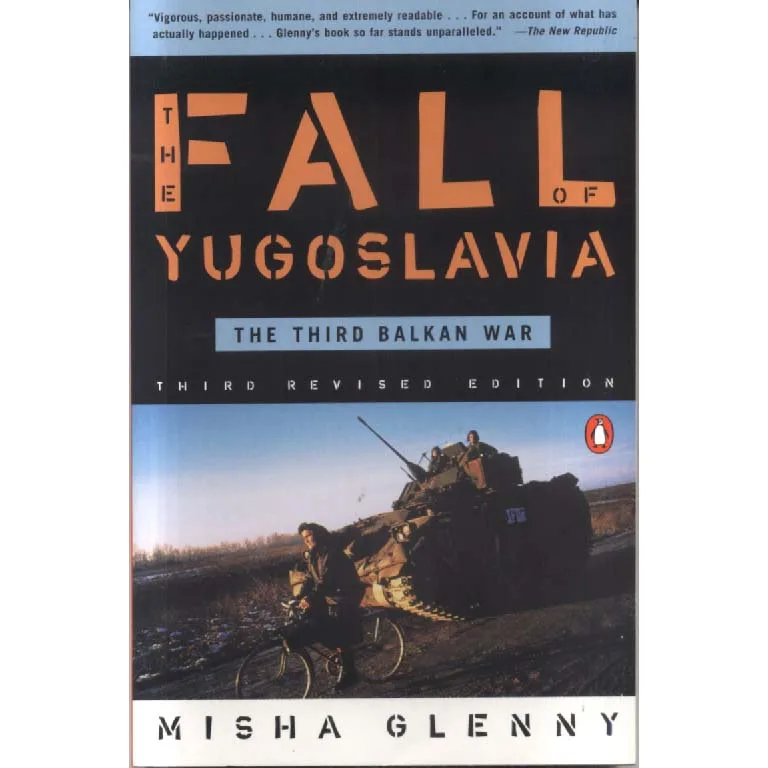
Publisher: Penguin Books
Format: Paperback
ISBN: 9780140257717
Misha Glenny’s The Fall of Yugoslavia is about the moment a country with maps, flags, slogans, histories, grievances, republics, armies, neighbours and several centuries of unresolved thunder began coming apart in full public view. Yugoslavia did not simply “collapse,” that tidy word beloved of summaries. It cracked, burned, argued, lied, mobilised, fragmented and dragged ordinary people into the machinery of nationalism, war and political opportunism with a speed that still feels obscene.
Glenny, who reported from the region, follows the descent into the wars of the 1990s: Slovenia, Croatia, Bosnia, Serbia, ethnic nationalism, collapsing federal authority, militias, propaganda, sieges, expulsions, massacres, foreign confusion and the diplomatic theatre in which everyone solemnly discussed peace while events on the ground continued to behave with terrible independence. This is history written close enough to the smoke that it does not have the luxury of sounding neat.
The subtitle, The Third Balkan War, gives the book its wider shadow. These conflicts did not erupt from nowhere, however much television news liked to present them as sudden Balkan madness, a phrase that has done a great deal of lazy work for people unwilling to learn names. Glenny places the wars in political and historical context: the legacy of Tito’s Yugoslavia, the ambitions of leaders, the manipulation of fear, the fragility of institutions, and the ease with which old wounds can be reopened by men who know exactly where to press.
There is a grim irony in Yugoslavia’s fall taking place in Europe after the Cold War, just when everyone was meant to be enjoying a new era of liberal optimism, borderless markets and the general soothing idea that history had become less murderous. Instead, camps, sieges, shelling, ethnic cleansing and mass graves returned to the European news cycle like an unpaid bill from the twentieth century. History, it turned out, had not ended. It had merely changed desks.
Glenny’s account is valuable because it refuses the easy fog. The wars were not incomprehensible tribal chaos, nor some ancient curse conveniently absolving the living of responsibility. They were made by decisions, speeches, media, weapons, ambitions, fears, myths, police, armies, opportunists and failures of international will. That is the uncomfortable part. Catastrophe is not always irrational. Sometimes it is organised, named, broadcast and voted into motion.
For readers of modern European history, Balkan politics, war reporting, nationalism, Yugoslavia, Bosnia, Croatia, Serbia and the dark art of watching a state become a battlefield, this is a sharp and important book. It belongs on the shelf where the 1990s are not allowed to be remembered only as Britpop, dial-up internet and regrettable shirts.
As New copy, as sold by Crappy Old Books. A clean, fresh Penguin copy of a book about a dirty, brutal and very recent historical disaster. The book has survived in excellent order, which is more than can be said for the political arrangements inside it.
Keep browsing: See more War books Other books by Misha Glenny
